One Marietta Roofing Contractor for Residential and Commercial Projects
Finding one Marietta roofing contractor who can work comfortably on both homes and commercial buildings sounds simple until you start asking the right questions. Can the company handle a straightforward roof repair on a house and also navigate the paperwork, code requirements, and coordination that often come with a commercial property? Do they understand leak tracing, not just patching? Will they know when permits come into play? And if a storm just rolled through Cobb County, can they inspect damage carefully without pushing you into a rushed decision?
Those questions matter because roofing work sits at the intersection of weather exposure, building performance, and legal compliance. A roof is not just shingles, membrane, metal, or flashing. It is a water management system. When that system breaks down, the signs may show up in a dozen different places: stained drywall, damp insulation, warped trim, a musty odor, a tenant complaint, or an owner discovering bubbling paint around a vent stack after a hard rain. The visible stain inside is often the last chapter, not the first.
That is why many property owners in Marietta prefer to build a relationship with one dependable contractor rather than scramble to find different companies for different property types. There is practical value in working with a team that can evaluate a roof leak repair on a residence one day and speak clearly about permit compliance or code-driven details on a commercial job the next.
What “one contractor” really means in Marietta
The phrase sounds convenient, but it should never mean vague qualifications. In Georgia, residential and commercial general contractor services performed for compensation require state licensure. The state recognizes different licensing categories, including residential-basic, residential-light commercial, and general contracting. That matters because the right fit for your property is not just about whether someone owns a ladder and a pickup. It is about whether they are operating within the licensing framework that applies to the work they are taking on.
For owners, this is where things often get muddy. A homeowner may think, “It’s only a leak,” while a commercial owner may think, “It’s only a repair, not a full replacement.” But even limited work can carry bigger implications if it touches structural areas, code issues, or alterations that trigger permits. Marietta requires building permits for new construction, temporary buildings, and certain alterations to existing construction. Marietta and Cobb County also enforce current Georgia building codes. A contractor serving both residential and commercial clients in this area should be comfortable working inside that reality, not improvising around it.
I have seen property owners focus on price first, only to discover later that the cheaper number did not include the effort needed to document damage, trace the actual source of leakage, or coordinate with permit requirements when the scope changed. Roofing work has a way of doing that. A small water stain can uncover flashing failure. Flashing failure can lead to deck damage. Then what looked like a one-day roof repair becomes a more involved project that requires better planning and better communication.
Residential roofs and commercial roofs leak differently, even when the symptom looks the same
A drip from the ceiling is emotionally the same whether it happens over a kitchen island or in a retail suite. You see water where it does not belong, and you want it stopped fast. The path to solving the problem is not always the same.
On a residence, leak complaints often start with a homeowner noticing staining around a chimney, valley, skylight, or wall intersection. On a commercial building, the first alert might come from a maintenance manager, a tenant, or a staff member who spots water near a ceiling tile, parapet, roof penetration, or equipment curb. The challenge in both cases is that water travels. It can enter at one point, move along framing or decking, and show up several feet away.
This is where experience matters more than salesmanship. Research and field guidance consistently point to flashing as one of the most important water-shedding details on a roof. Valleys deserve special attention because they collect and concentrate runoff. If flashing is poorly installed, damaged, or loosened, water can work its way inward. FEMA guidance also emphasizes that flashing has to be integrated correctly with shingles and underlayment to prevent water entry. In plain terms, a repair that only treats the symptom without correcting the way the roof components work together rarely holds up for long.
A contractor serving both residential and commercial properties should know how to investigate, not just how to patch. That often means asking the unglamorous questions. When did the leak happen, during wind-driven rain or steady rainfall? Did the stain appear after hail? Has the area leaked before? Is the moisture near a valley or near a wall transition? Was there recent work by another trade? These details help narrow the search and reduce guesswork.
Storm damage changes the conversation
Marietta owners do not need a lecture on severe weather. They need practical help after it happens. Wind, hail, and heavy rain can shorten roof life and create opportunities for water intrusion. Hail in particular can damage roof coverings, and even when the damage is not Check out here immediately dramatic, it can still reduce service life. That is one reason post-storm inspections require patience. Some damage is obvious from the ground. Some is subtle and only becomes clear under close review.
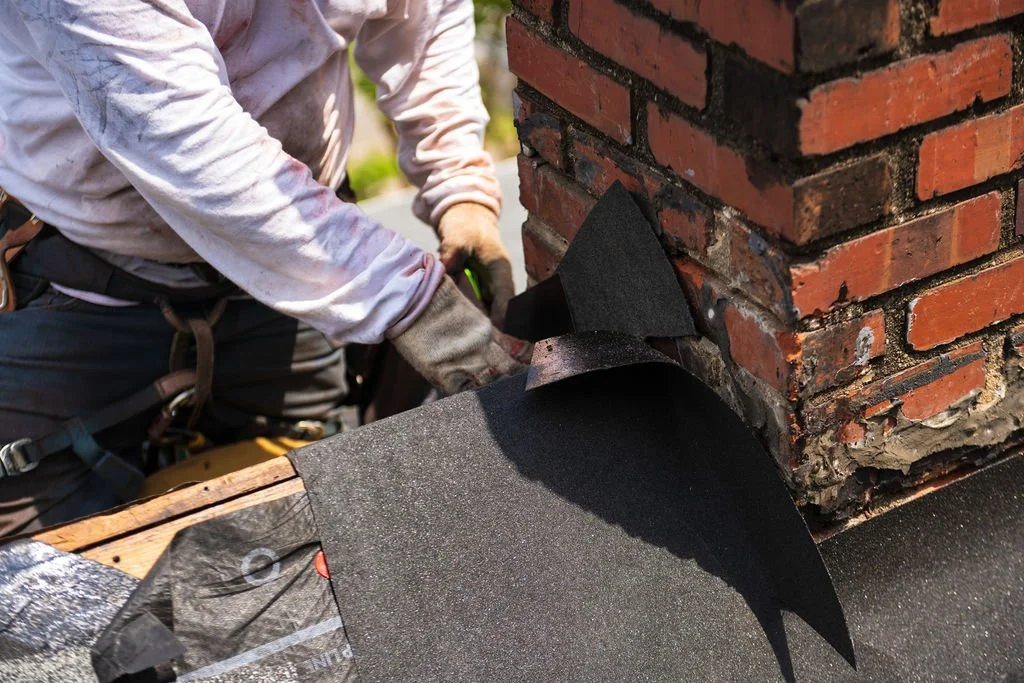
The state’s insurance guidance for severe weather recovery is sensible because it focuses on basic steps that protect both the property and the claim process. If your roof has been hit by a storm, the early priorities are straightforward:
- Photograph the damage.
- Notify your insurer promptly.
- Tarp the damaged roof if it is safe to do so.
- Avoid signing with rushed or unsolicited contractors.
That list is short because urgency after a storm makes people vulnerable to bad decisions. A tarp can help limit further interior damage, but safety comes first. Climbing onto a wet or compromised roof is a good way to turn property damage into a medical emergency. A steady contractor will say that plainly.
There is also a paperwork side to storm loss that owners should understand. FEMA notes that ceiling and roof damage caused by disaster-related leaks may be eligible for assistance, but verification is typically done through on-site inspection. Even if FEMA is not part of your situation, that principle still reflects how roof claims often work more broadly: documentation matters, and someone will usually need to verify conditions in person. A contractor who can clearly document visible damage, likely points of water entry, and temporary protective measures becomes much more valuable than one who simply says, “Yep, it’s bad.”
Why leak tracing is harder than people expect
Many owners search for roof leak repair when what they really need is diagnostic discipline. A leak is not always where the water shows up. It is not always caused by the oldest section of roof. And it is not always the result of a dramatic storm event. Some leaks come from details that slowly worked loose over time, especially at the places where roofing materials meet penetrations, walls, or drainage transitions.
Valleys deserve special mention because they carry concentrated runoff. If a valley detail is compromised, the leak may only appear under certain weather conditions. The same goes for flashing. A loosened or poorly integrated flashing detail can stay quiet for weeks, then fail visibly during wind-driven rain. Homeowners often assume that if a leak appears near the center of a room, the entry point must be overhead. On real roofs, water can travel enough distance to make that assumption costly.
Good leak tracing usually looks slower than clients expect, especially in the first hour. A careful contractor does not sprint to the most visible stain and start tearing things apart. They gather the property history, inspect the roof system methodically, and compare exterior details with the interior signs. That pace can feel less dramatic than an instant fix, but it tends to produce better answers.
I have seen this play out on buildings where a tenant insisted the flat section was failing, only for the real culprit to be a transition detail near a wall. I have also seen homeowners blame “old shingles” when the actual problem was at a water-shedding detail. The common thread is that roofs fail at connections and changes in geometry as often as they fail in the field of the roof itself.
Residential and commercial owners often need the same kind of honesty
There is a myth that homeowners want hand-holding while commercial clients want spreadsheets. In practice, both groups want the same thing: a clear explanation of what is happening, what is known, what is still uncertain, and what the next reasonable step should be.
For a homeowner, that might sound like, “The stain is here, but the likely entry point appears closer to the valley, and I want to inspect the flashing condition before recommending repair.” For a commercial owner or manager, it might sound like, “The active leak appears related to a water-shedding detail at a transition, and we need to determine whether the repair can stay localized or whether there is hidden damage that changes scope.” Different setting, same need for calm and credible judgment.
This is one reason one contractor can be a real advantage. A team that works across both types of properties often develops good communication habits because the buildings force it. Residential jobs sharpen the ability to explain technical issues in plain language. Commercial work sharpens the ability to document, coordinate, and stay inside process. When those skills exist together, property owners benefit.
Licensing and insurance are not paperwork trivia
In Georgia, contractor rules involve age, experience, competency, and examination requirements. For commercial general contractor licensing, the knowledge base includes topics such as building codes, estimating, insurance, surety bonding, and liens. The state also says insurance is a condition of applying for and maintaining licensure. There is even a commercial general contractor limited tier tied to a financial cap.
Those details matter because they tell you what the state expects from professionals taking on compensated contracting work. They also tell you that residential and commercial projects are not interchangeable just because both involve roofs. A contractor handling these projects should understand where the boundaries are, how to scope responsibly, and when a project crosses into a category that demands a different level of oversight or administration.
For owners, this is less about memorizing licensing categories and more about recognizing professionalism. A serious contractor does not get irritated when you ask about licensing, insurance, or permits. They expect the question. They answer it directly. They do not act like compliance is red tape invented to slow down “real work.” In roofing, real work includes compliance.
Permits are part of the job when they apply
Marietta’s permit rules are worth keeping in view because many roof-related projects evolve after the first inspection. An owner may call for roof repair, assuming the issue is minor. Once the contractor opens up the area or completes a fuller assessment, the work may turn out to involve alterations that bring permits into the picture. That is not a scare tactic. It is the reality of hidden conditions and changing scope.
On the residential side, people sometimes bristle at permit discussions because they fear delay. On the commercial side, managers often assume their internal approval process is the hard part, not the city requirements. In either case, a contractor who handles both kinds of projects should be able to guide the conversation early. They should know when permit compliance is likely relevant and how local enforcement of Georgia codes affects the work.
The key point is simple: permits are not a separate issue from quality. They are tied to accountability and code compliance. If a contractor treats permits as someone else’s problem, that should raise questions.
What to look for when choosing one Marietta roofing contractor
You do not need a thirty-point screening form. A short, practical conversation tells you a lot. The best questions are the ones that reveal whether the contractor understands both the building and the process around the building.
- Ask whether they regularly handle both residential and commercial roofing scopes in a way that aligns with Georgia licensing requirements.
- Ask how they approach leak tracing, especially when the interior stain and exterior entry point may not match.
- Ask how they handle storm-related documentation and communication with owners after wind or hail events.
- Ask when they believe permit review becomes part of the conversation in Marietta.
- Ask how they explain flashing, valleys, and other vulnerable details to clients who are not roofers.
Those questions are useful because they test judgment, not just marketing. A polished website can promise anything. A grounded answer about water paths, code compliance, and storm documentation is harder to fake.
The value of a contractor who does not rush the answer
After a storm or an active leak, people want certainty immediately. Sometimes that is possible. A branch punched through a slope, water is entering, and the source is obvious. More often, the first visit is about narrowing possibilities, protecting the property, and setting up the right repair path.
This is where patience becomes a professional skill. The wrong quick answer can cost more than a careful slow one. If a contractor declares the problem solved after a cosmetic patch at the visible stain area, you may not discover the mistake until the next hard rain. By then, interior finishes may be worse, insulation may be wetter, and the claim timeline may be messier.
A good contractor also knows when not to overpromise. Hail damage can be hard to assess without a close inspection. A leak may require more than one visit if weather conditions have to cooperate or if temporary dry-in comes before full repair. Owners usually handle uncertainty well when it is explained honestly. What they do not handle well, understandably, is false confidence.
Why property owners stick with one trusted company
When a contractor earns repeat business across both home and commercial settings, it is rarely because of one flashy feature. It is usually because they solve problems without making the owner manage the chaos. They show up prepared, they document what they see, they understand that flashing and valleys are not side notes, and they respect the code and permit environment they are working in.
That kind of consistency matters in Marietta. A homeowner with a leak over a guest room may later need help after a hailstorm. A small business owner may need roof repair on an office and then realize a separate commercial property has a similar drainage or flashing issue. Working with one contractor who already understands the local context can save time and reduce friction.
There is also a trust factor that comes only from repeated experience. Once you have seen how a contractor handles the tense moments, the emergency tarp, the difficult leak trace, the permit discussion, the storm documentation, you have a much better basis for future decisions than any online ad can give you.
The roof over a home and the roof over a business serve the same basic purpose
They keep water out, protect what is underneath, and buy time against weather that never really takes a season off. The details differ from one building type to another, but the essentials remain the same. Water will look for weak points. Wind and hail will test the surface. Flashing and valleys will either do their job or expose the places where the system breaks down.
That is why choosing one Marietta roofing contractor for residential and commercial projects can make so much sense, provided the company truly understands the work, the local permit environment, and the licensing framework that applies in Georgia. You are not just hiring someone to patch a hole. You are choosing a professional who should be able to inspect carefully, communicate clearly, document storm damage when needed, and carry a project responsibly from first call to finished repair.
Whether the job is a small roof leak repair at a house or a more complex issue on a commercial building, the best outcomes usually come from the same qualities: patience, technical discipline, respect for code and process, and the honesty to say what is known, what is not, and what comes next. That is the kind of contractor worth keeping on your contact list before the next storm cloud rolls over Marietta.